Alopecia Areata Treatment
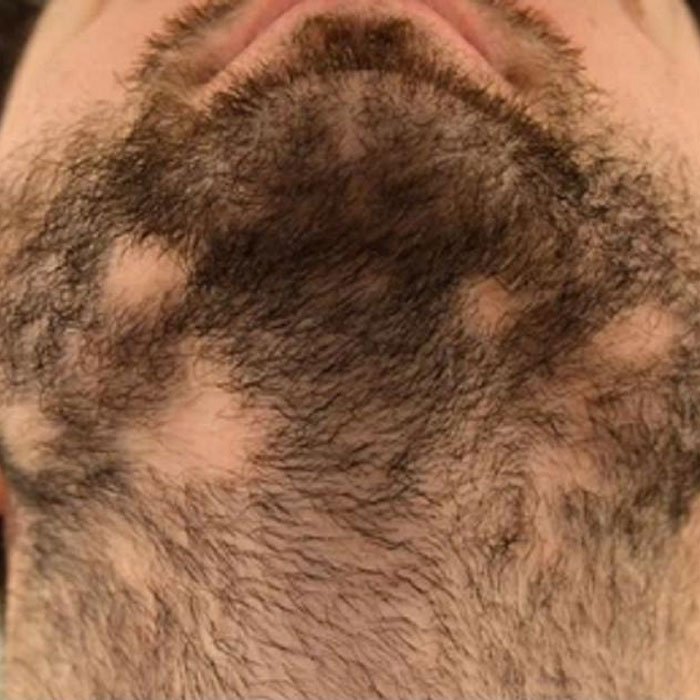
Alopecia Areata is a treatable condition, and many patients experience noticeable hair regrowth with the right medical care and timely intervention. Treatment focuses on reducing the immune system’s attack on hair follicles and stimulating natural hair growth.
Medications
Medications are often the first line of treatment for Alopecia Areata. Topical corticosteroids are commonly used to reduce inflammation and suppress the immune response in affected areas. In some cases, intralesional steroid injections are administered directly into the bald patches to promote faster regrowth. Immunotherapy creams may also be prescribed to trigger a controlled allergic reaction that helps redirect the immune system and encourage hair growth.
PRP (Platelet-Rich Plasma) Therapy
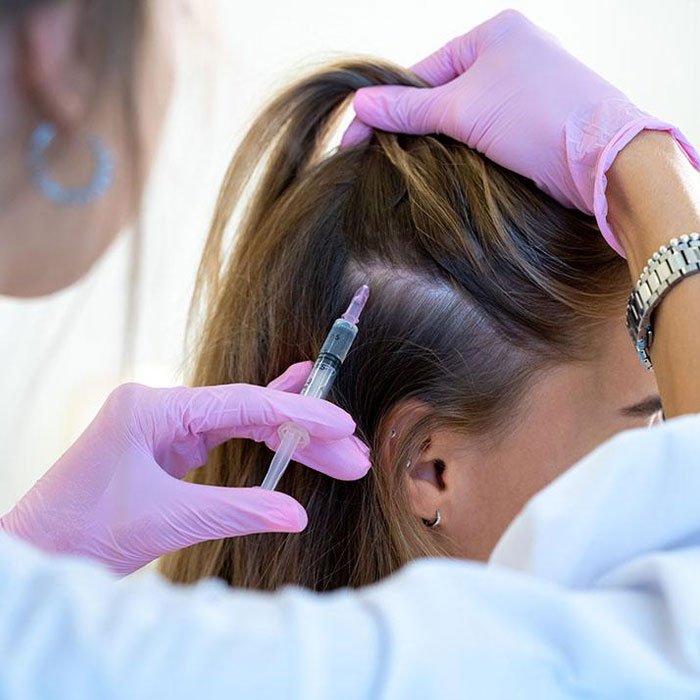
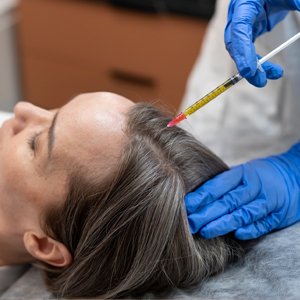
PRP therapy is an advanced and increasingly popular treatment for Alopecia Areata. It involves using the patient’s own blood plasma, which is rich in growth factors, to stimulate dormant hair follicles. This therapy helps promote natural hair regrowth, improve hair density, and enhance overall hair thickness. PRP is a safe and non-surgical option with promising results for many patients.
Advanced Therapies
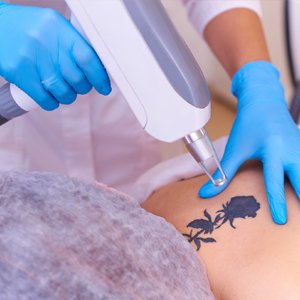
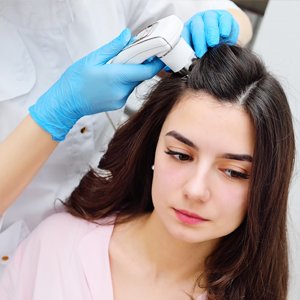
For more severe or resistant cases, advanced treatment options are available. JAK inhibitors are a newer class of medications that target the immune pathways responsible for hair loss and have shown effective results in certain patients. Laser therapy can help improve blood circulation to the scalp, supporting follicle health and regrowth. Growth factor treatments further aid in strengthening hair follicles and boosting regeneration.
Lifestyle & Support Care
Along with medical treatments, lifestyle modifications play a crucial role in managing Alopecia Areata. Stress is a known trigger, so practices like yoga and meditation can help reduce flare-ups. Maintaining a balanced diet rich in iron, zinc, and protein supports healthy hair growth. Additionally, adopting a gentle hair care routine helps prevent further damage and supports recovery.